

 ไทย
ไทย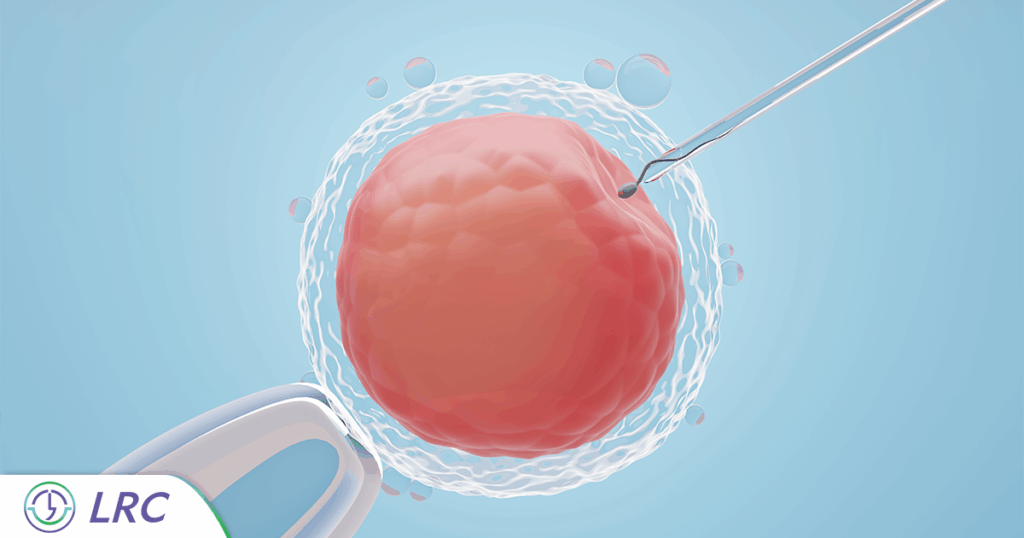
What Is ICSI?
A Deep Dive into Fertility Technology for Infertility Treatment
ICSI (Intracytoplasmic Sperm Injection) is an advanced and highly effective assisted reproductive technology (ART), especially suitable for couples facing infertility—particularly when the male partner has sperm-related issues. ICSI is a precise and delicate laboratory procedure that increases the chance of successful fertilization and pregnancy.
What Is ICSI?
ICSI is a laboratory technique used to treat infertility. It involves injecting a single selected sperm directly into a mature egg under a high-powered microscope. It is commonly used in cases where:
-
The male partner has low sperm count, poor motility, or abnormal sperm morphology
-
Previous IVF attempts were unsuccessful
-
Genetic testing of embryos is required (e.g., PGT-A)
-
The couple has unexplained infertility
Who Is ICSI Recommended For?
-
Men with low sperm count, poor motility, or abnormal sperm shape
-
Couples who have had failed IVF cycles
-
Couples requiring Preimplantation Genetic Testing (PGT-A)
-
Couples with unexplained infertility
The ICSI Procedure Step-by-Step
1. Initial Consultation
Meet with a fertility specialist to assess both partners’ reproductive health and determine a treatment plan.
2. Ovarian Stimulation
-
Blood tests to check hormone levels (e.g., AMH)
-
Transvaginal ultrasound to assess ovarian follicles
-
Hormonal injections begin on Day 2–3 of the menstrual cycle
-
Follicle development is monitored for 8–10 days through blood tests and ultrasound
3. Egg and Sperm Collection
-
Eggs are retrieved from the ovaries under mild anesthesia
-
The male partner provides a sperm sample
-
Both steps are completed within 20–30 minutes
4. ICSI Procedure
-
An embryologist selects the healthiest sperm
-
A single sperm is injected into each mature egg using a microneedle
-
Fertilization occurs within 5–6 days, depending on embryo quality
5. Embryo Culture
-
Fertilized eggs are cultured and observed as they develop
-
Around Day 3: Embryos divide into 6–8 cells
-
By Day 5–6: Embryos reach the blastocyst stage
-
Embryoscope™ (a time-lapse imaging system) monitors real-time development
6. Embryo Biopsy for Genetic Testing (Optional)
-
A small number of cells are biopsied for chromosomal screening (e.g., PGT-A)
-
This is performed only for frozen embryo transfer cycles, as results take ~14 days
7. Embryo Transfer There are two embryo transfer options:
-
Fresh Transfer: Embryos are transferred during the same cycle as egg retrieval, without freezing
-
Frozen Embryo Transfer (FET): Embryos are frozen and transferred in a subsequent cycle after preparing the endometrial lining
Transfer is performed under ultrasound guidance and takes about 15–20 minutes.
8. Pregnancy Test
-
Performed 7–10 days after embryo transfer
-
Follow-up appointments help monitor early pregnancy and maternal health
Benefits of ICSI
-
High fertilization success, even with very few sperm
-
Ideal for severe male infertility cases
-
Enables embryo chromosomal screening before implantation
-
Viable embryos can be frozen for future use
Things to Know Before Starting ICSI
-
Success is not guaranteed — many factors influence the outcome
-
Female age and egg quality significantly affect results
-
ICSI is generally more expensive than conventional IVF
-
Treatment should be supervised by experienced fertility specialists
Success Rates of ICSI
ICSI success rates vary based on several factors, particularly the age of the woman and the quality of the eggs:
-
Under 35 years old: ~40% success rate
-
Ages 35–40: ~20–30%
-
Over 40: ~10–15%
Conclusion
ICSI is one of the most effective solutions for infertility, especially when the cause is related to sperm quality or when IVF has failed. When performed under expert supervision, ICSI offers a powerful path toward conception.
If you’re wondering whether it’s the right time for ICSI, consult a reproductive specialist and begin planning your next step toward parenthood.
