
 ไทย
ไทย
Which Embryo Stage Do Doctors Choose After ICSI?
After undergoing ICSI (Intracytoplasmic Sperm Injection), where an egg is fertilized with a single sperm in the lab, the resulting embryo is carefully cultured until it reaches the optimal stage for transfer back into the uterus.
What Are the Embryo Development Stages?
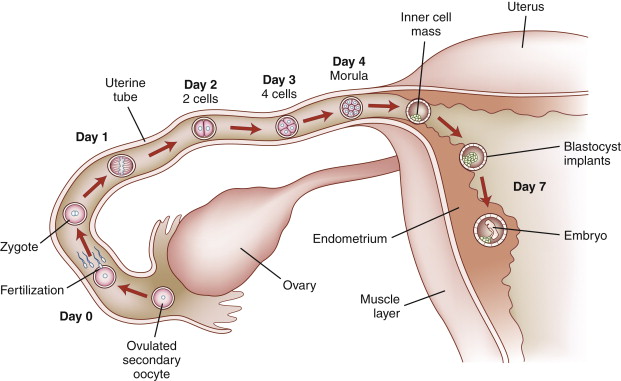
Based on the image, embryo development can be divided into three main stages:
-
Stage 1: Zygote – Day 1 after fertilization
-
Stage 2: Cleavage Stage – Day 2–3, the embryo divides into 2, 4, and then 8 cells
-
Stage 3: Blastocyst Stage – Day 5–6, the embryo forms a fluid-filled cavity and prepares for implantation
When Do Doctors Typically Transfer the Embryo?
Doctors usually transfer the embryo during one of these two key stages:
-
Cleavage Stage (Day 2–3):
Often used in cases where early transfer is preferred or when there are fewer embryos available. -
Blastocyst Stage (Day 5–6):
Considered more advanced and closely resembles the embryo’s natural development in the body. This stage often offers a higher chance of implantation.
Which Stage Offers Better Success?
Transferring at the blastocyst stage tends to have a higher success rate. This is because embryos that reach this stage are generally stronger and have a higher implantation potential. However, it also requires a high-quality lab environment and may not be suitable for all cases, depending on the patient’s response and embryo development.
Summary:
After ICSI, embryos are cultured in the lab for 3–5 days. The decision to transfer at the cleavage or blastocyst stage depends on individual factors such as embryo quality and patient condition. Your doctor will choose the most suitable stage to maximize your chance of a successful pregnancy.
